Unraveling the Sublustrum Ending: A Deep Dive Into the Psychological Thriller
Explore the psychological depths and surreal narrative of the Sublustrum ending. Discover how the 2026 reimagining redefines the classic thriller experience.
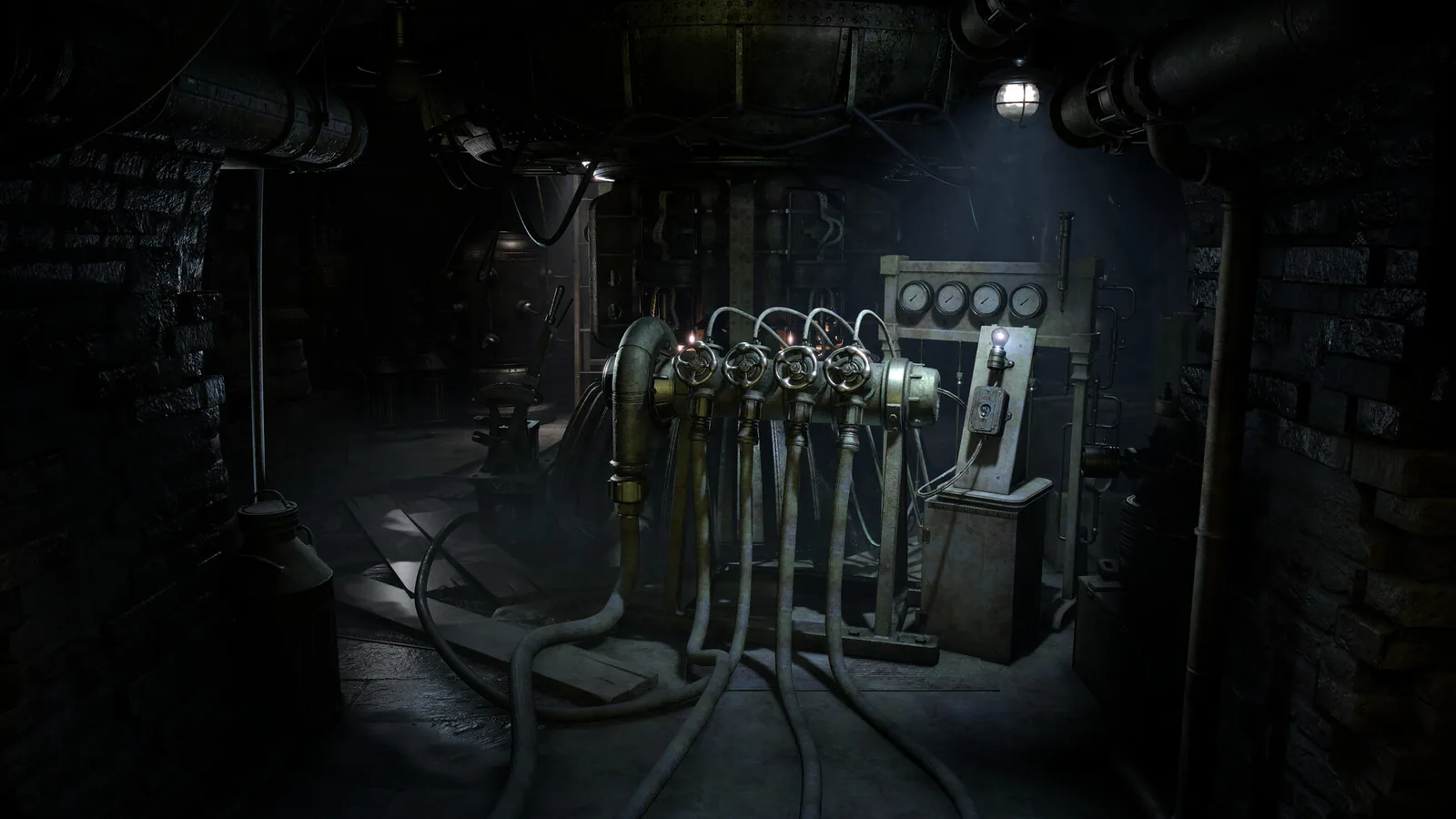
Introduction to the Psychological Depths of Sublustrum
Stepping into the surreal world of psychological horror often leaves players questioning the boundary between reality and hallucination, a theme brilliantly captured right up to the final Sublustrum ending. Understanding the Sublustrum ending requires more than just following the plot on screen; it demands a deep dive into the human psyche, shifting perceptions, and the dark corners of the subconscious mind. As fans eagerly explore the reimagined 2026 version of this classic adventure game, deciphering the final moments has become a central obsession for narrative-driven gamers everywhere.
The journey begins with a writer searching for his missing scientist brother, but it quickly evolves into something much more profound. In this article, we will break down the narrative layers, explore player theories, and examine how the 2026 update by Brickworks Games enhances the storytelling experience.
The Journey Into the Subconscious: Plot Overview
The core narrative of the game revolves around an ordinary writer trying to solve a bizarre mystery. His scientist brother has vanished, leaving behind a mysterious, inexplicable device. Investigating this contraption acts as a catalyst, pulling the protagonist through a wormhole of dreams and fragmented memories.
To better understand where the narrative takes us, let us look at the primary developmental and conceptual milestones of the franchise.
| Project Detail | Information |
|---|---|
| Original Title | Outcry (aka Sublustrum) |
| Original Release | 2008 |
| Reimagined Release | Q4 2026 |
| Developer | Brickworks Games |
| Publisher | HypeTrain Digital |
| Core Themes | Subconscious exploration, psychological thriller, surrealism |
Community reports and early playtest feedback indicate that the 2026 reimagining amplifies these surreal elements. The transition to modern 3D graphics allows for environmental storytelling that directly mirrors the protagonist's mental decay.
Deconstructing the Final Moments
When players finally approach the Sublustrum ending, standard rules of logic and linear storytelling completely break down. The boundaries between the real world and the dreamscape dissolve entirely, forcing the protagonist to confront the ultimate truth about his brother, the strange device, and his own identity.
Many psychological thriller games rely on ambiguous conclusions to spark discussion, and this title is no exception. Here is a breakdown of the primary interpretations surrounding the game's climax:
| Interpretation Theory | Description | Supporting Evidence |
|---|---|---|
| The Psychological Projection | The brother never truly existed as an external entity; he was an aspect of the writer's fractured mind. | Environmental clues, recurring motifs, and dialogue hints pointing inward. |
| The Scientific Experiment | The strange device actually warped reality, trapping both brothers in a shared, unstable dream realm. | Physical presence of the machinery and notes left behind in the laboratory. |
| The Acceptance of Grief | The entire journey is a metaphor for processing tragic loss and mental trauma. | Emotional tone, shifting atmospheric elements, and introspective puzzles. |
Examining these theories helps clarify why the Sublustrum ending resonates so strongly with fans of cerebral adventure games. For official updates and community discussions, you can check out the game page on Steam.
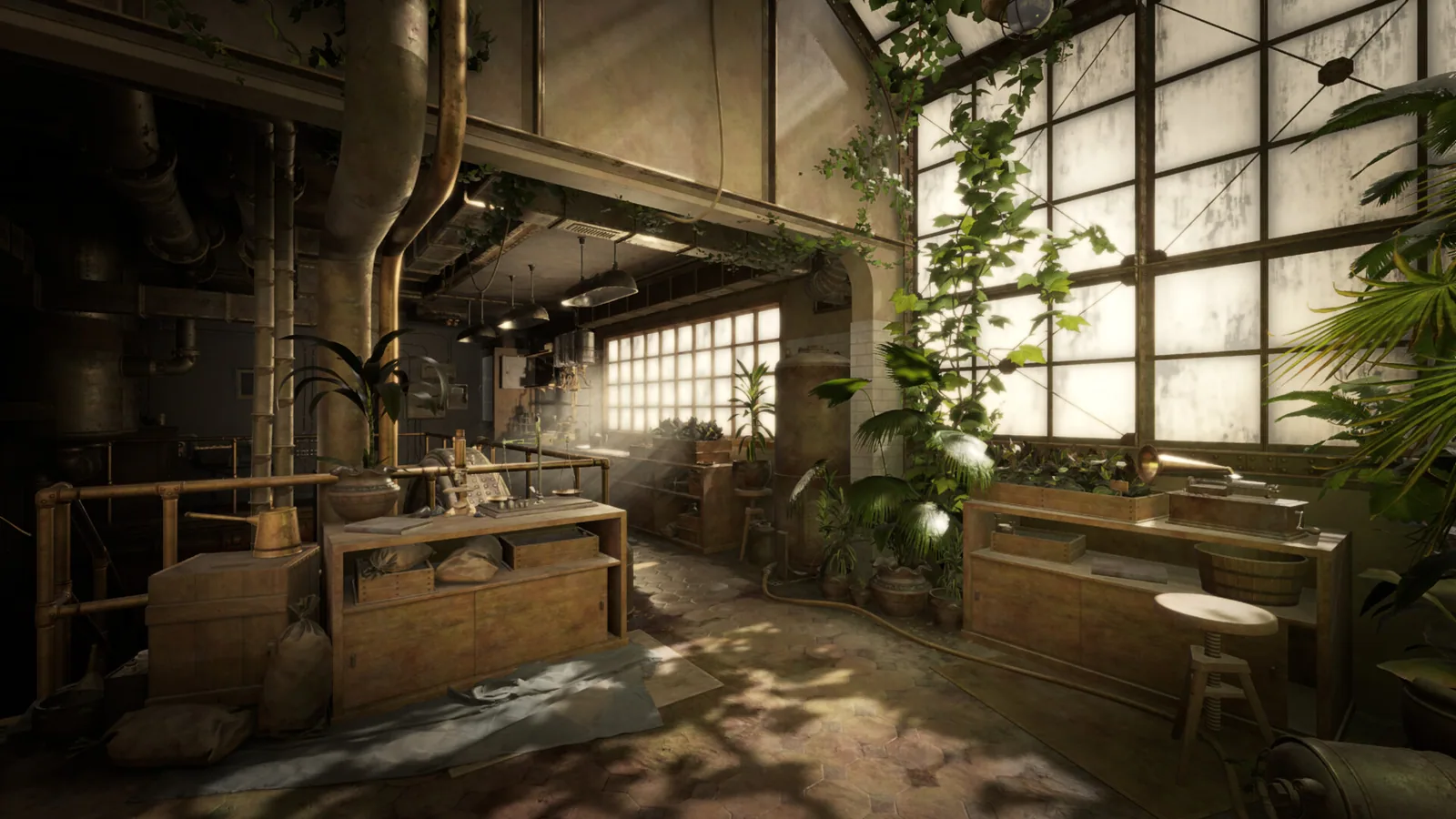
Evolution From Outcry to the 2026 Reimagining
To fully appreciate the narrative weight of the Sublustrum ending, it helps to look at how the project has evolved over time. Originally released back in 2008 under the alternate title Outcry, the game built a cult following for its eerie atmosphere, classical music influences, and unsettling sound design.
| Feature Comparison | 2008 Original (Outcry) | 2026 Reimagined Version |
|---|---|---|
| Visual Style | Pre-rendered 2D backgrounds | Fully realized 3D graphics |
| Content Scope | Standard indie adventure length | Expanded narrative, new puzzles, and areas |
| Atmosphere | Claustrophobic and grainy | Immersive, high-fidelity psychological dread |
| Accessibility | Legacy systems and specialized patches | Modern PC platforms via Steam and GOG |
This massive overhaul does not just touch up the visuals; it recontextualizes the pacing. By smoothing out the investigation mechanics and deepening the lore, the developers ensure that reaching the Sublustrum ending feels even more earned and psychologically taxing than it did nearly two decades ago.
Actionable Tips for Narrative Explorers
If you are planning to experience the narrative yourself and want to catch every nuance leading to the Sublustrum ending, keeping a few investigative strategies in mind can significantly improve your playthrough:
- Examine Everything: Interact with every object, note, and environmental detail. Brickworks Games embeds crucial lore within background items.
- Listen Closely: Audio cues are vital. The soundscape often dictates whether you are experiencing a memory, a dream, or a waking nightmare.
- Keep a Journal: Jot down symbols, dates, and recurring motifs. The game relies heavily on symbolic storytelling that pays off during the climax.
- Revisit Previous Spaces: As the protagonist's mind changes, familiar locations may alter slightly, revealing new narrative paths.
Frequently Asked Questions
What is the main plot leading up to the Sublustrum ending?
The story follows a writer investigating his brother's mysterious disappearance and a strange device. This investigation spirals into a surreal psychological journey through the protagonist's own subconscious mind.
How does the 2026 version differ from the 2008 original Outcry?
The 2026 reimagining features modern 3D graphics, expanded narrative content, and redesigned puzzles while maintaining the eerie, psychological thriller atmosphere of the original cult classic.
Is the Sublustrum ending open to interpretation?
Yes, much like the original game, the final moments are intentionally surreal and ambiguous, leaving room for multiple theories regarding the protagonist's psychological state and the reality of the events.
Where can I play the reimagined version?
The game is developed by Brickworks Games, published by HypeTrain Digital, and scheduled for release on platforms like Steam.
Related Guides
Sublustrum Explained: Unraveling the Surreal Lore and Story of the Cult Psychological Adventure
Dive deep into Sublustrum explained. Discover the psychological narrative, the mystery of the Flickering World, and the tragic fate of the two brothers.
Unraveling Sublustrum Lore: A Deep Dive Into the Surreal Psychological Adventure
Explore the eerie Sublustrum lore, investigating its twisted dimensions, brotherly tragedy, and the sound-driven secrets of the Flickering World.
Unraveling the Sublustrum Story: A Deep Dive into Psychological Horror
Explore the eerie Sublustrum story, a psychological adventure blending memories, sound puzzles, and surreal dimensions. Discover the plot and origins.