Sublustrum Horror Game Preview: Reimagining the Psychological Cult Classic in 3D
Explore our in-depth preview of the Sublustrum horror game. Discover its sound-driven puzzles, Jungian psychology themes, and 3D reimagining.
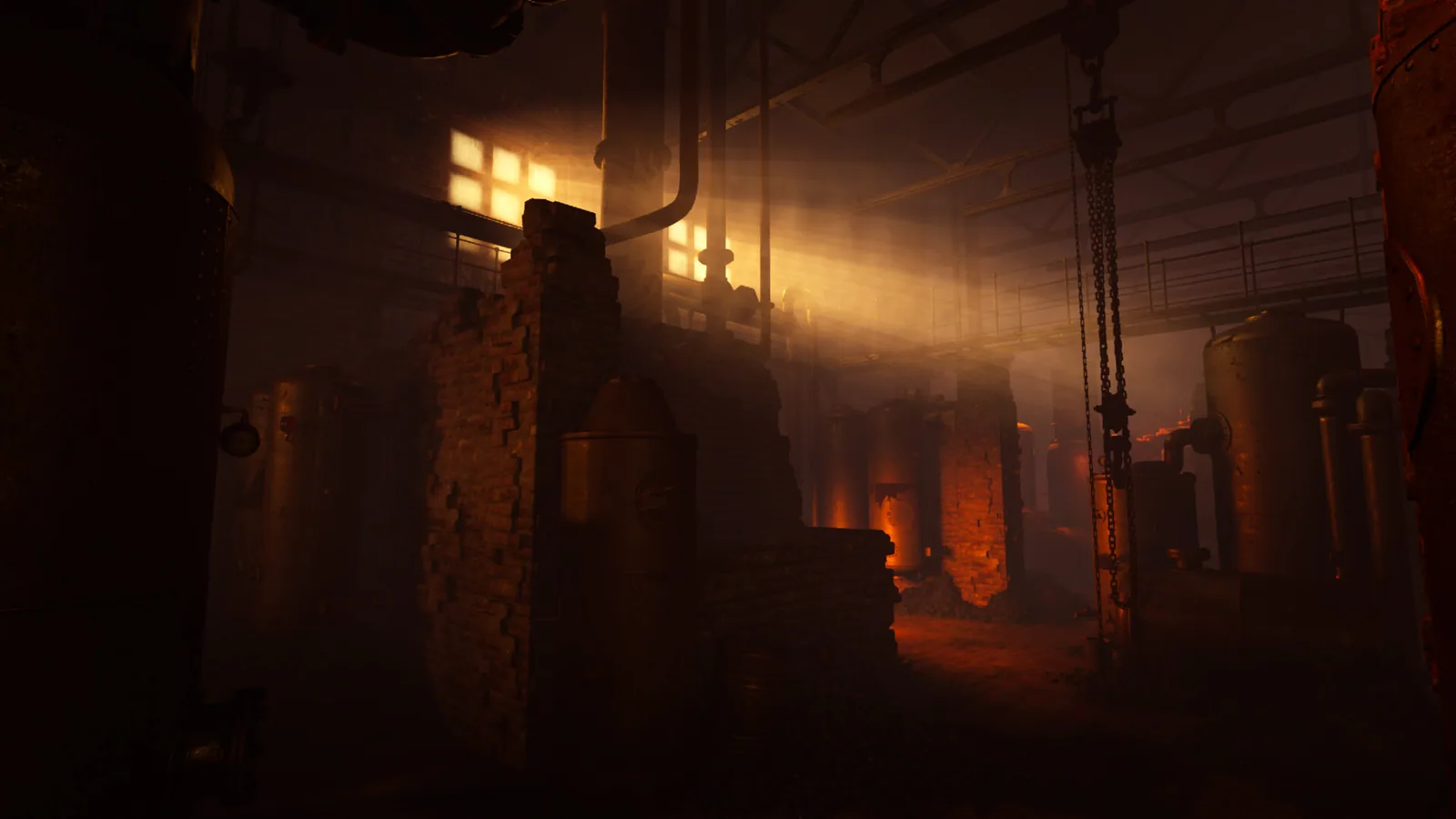
When you step into an empty apartment to search for a missing relative, you rarely expect to find a gateway to the human subconscious. The upcoming Sublustrum horror game thrusts players into a deeply unsettling, memory-driven descent that redefines atmospheric psychological puzzles. As an ambitious full-scale reimagining of the 2008 cult classic, the Sublustrum horror game blends Kafkaesque fiction, Jungian psychoanalysis, and vintage auteur cinema aesthetics to craft a uniquely terrifying experience.
Developed by Brickworks Games and published by HypeTrain Digital, this title invites players to investigate a mysterious machine and explore the shifting borders of reality. Whether you are a veteran of the original adventure or a newcomer drawn to psychological thrillers, understanding what makes this project tick is essential before its planned Q1 2027 release.
Unraveling the Mystery: Story and Premise
The narrative begins with a missing brother, an abandoned home, and a final, forbidden experiment. Upon arriving at your brother's apartment, you discover a strange capsule-like machine designed to immerse a human consciousness into the depths of the psyche. Repairing and entering this device pulls you straight into the Flickering World—a surreal, unstable realm constructed entirely from fragmented memories.
Community reports and playtest insights indicate that the story acts like a heavy session of psychoanalysis. It tackles heavy themes such as grief, the impossibility of reversing past mistakes, and the difficult journey toward final acceptance.
| Narrative Element | Description in the Sublustrum Horror Game |
|---|---|
| Inciting Incident | Your brother vanishes after building a mind-altering machine, leaving behind a warning letter on a phonograph cylinder. |
| Setting | The Flickering World—a surreal dimension filled with liminal spaces, Victorian machinery, and distorted familiar environments. |
| Core Themes | Jungian psychology, archetypes, the disintegration of the self, grief, and the struggle to let go. |
| Inspirations | Early cinema, vintage photographic lenses, aged film grain, and Kafkaesque literature. |
As you journey deeper into these uncanny landscapes, you realize that memory is not just something you recall; it is a physical space that remembers you back. For those interested in tracking the game's development, you can check out the official Sublustrum on Steam page to view trailers and add it to your wishlist.
Sound-First Design and Audio Mechanics
One of the standout features of the Sublustrum horror game is its absolute reliance on audio to drive both gameplay and narrative progression. Sound is never mere background ambiance here; it is the core tool you use to navigate the unknown.
Originally conceived as an interactive musical experience by the dark ambient project Anthesteria (noted for co-composing the Metro 2033 soundtrack), the project builds its puzzles around sound-based mechanics. Players must tune inner frequencies, interpret echoing voices buried in static, and interact with environments that function like massive musical instruments.
| Audio Feature | Gameplay Integration |
|---|---|
| Frequency Tuning | Adjusting dials to match hidden signals and unlock pathways through the subconscious. |
| Acoustic Navigation | Following disembodied voices through heavy static when visual cues fail entirely. |
| Musical Instruments | Interacting with entire rooms structured as physical instruments that require precise playing to open doors. |
| Voice Cast | Acclaimed voice talent, such as Nicholas Boulton joining the English cast as the Professor, enhances emotional immersion. |
Player experience from recent playtests highlights that acoustic puzzles demand patience and sharp listening skills. If you miss the subtle audio cues hidden beneath ambient hums, you will find yourself completely walled off from the next area.
Visuals and Atmosphere: Stepping Into Aged Film
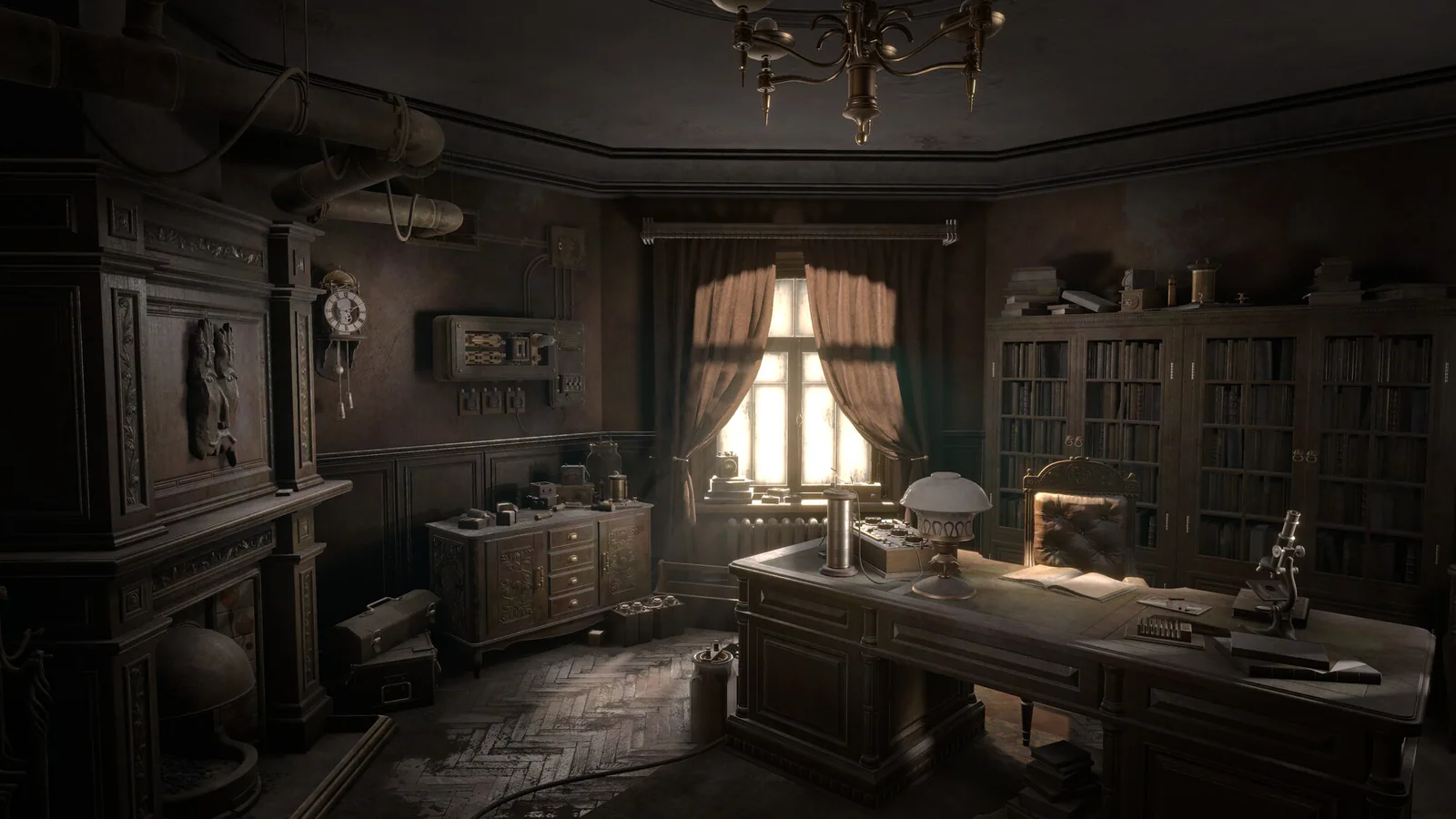
Visually, the Sublustrum horror game aims for a distinct aesthetic that separates it from modern, high-octane survival horror titles. The developers utilize a visual language inspired by early cinema, vintage lenses, and the tangible grain of aged film stock.
This deliberate stylistic choice evokes the fragile, dreamlike nature of auteur films. The environments shift, overlap, and distort as the narrator's psyche frays under the weight of the experiment.
| Visual & Atmospheric Element | Design Philosophy |
|---|---|
| Art Direction | Ornate Victorian machinery blended with surreal, dreamlike liminal spaces. |
| Cinematography | Vintage camera lenses and film grain filters to create an ephemeral, haunting atmosphere. |
| World Building | Physical manifestations of inner conflicts, where the ego sinks into an ocean of the unknown. |
| Pacing | Slow-burn investigation, point-and-click exploration roots translated smoothly into modern 3D space. |
Rather than relying on cheap jump scares, the title builds dread through oppressive architecture, shifting corridors, and the unsettling realization that your surroundings are reacting to your suppressed memories.
Technical Requirements and System Specifications
Because the game has been rebuilt from the ground up by its original creators in fully explorable 3D, modern hardware is recommended to experience its intricate lighting and audio design properly.
| System Spec Component | Minimum Requirements | Recommended Requirements |
|---|---|---|
| Operating System | Windows 10 64-bit | Windows 11 64-bit |
| Processor (CPU) | Intel Core i5-7400 / AMD Ryzen 5 1600 | Intel Core i5-9600K / AMD Ryzen 5 3600 |
| Memory (RAM) | 8 GB RAM | 12 GB RAM |
| Graphics (GPU) | GeForce GTX 1060 (3GB) / Radeon RX 580 (4GB) | GeForce RTX 2060 Super / Radeon RX 5700+ |
| DirectX Version | Version 11 | Version 12 |
| Storage Space | 10 GB available space (SSD Recommended) | 15 GB available space (SSD Recommended) |
| Performance Target | 720p at 30 FPS | 1080p at 60 FPS |
Ensure your system meets these specifications, particularly regarding SSD usage, to maintain smooth transitions between the surreal memory spaces.
Frequently Asked Questions
What is the Sublustrum horror game based on?
The game is a full reimagining of the 2008 cult classic adventure game of the same name, which won multiple accolades including Best Adventure Game and Best Sound Design at the KRI Awards.
When is the Sublustrum horror game releasing?
The title is currently scheduled for release in Q1 2027 by publisher HypeTrain Digital and developer Brickworks Games, with early playtests rolling out for fans.
How do puzzles work in the Sublustrum horror game?
Puzzles are heavily audio-driven. Players must tune frequencies, solve acoustic riddles, and interact with environment-based musical instruments to progress through the narrative.
Is the game a direct sequel or a remake?
It is a complete reimagining built from the ground up in fully explorable 3D by original creators, updating the classic point-and-click experience for modern platforms while preserving its surreal core vision.
Related Guides

Sublustrum First Look: Exploring the Atmospheric Psychological Adventure Remake
Get a comprehensive Sublustrum first look at Brickworks Games' psychological adventure remake, featuring sound-driven puzzles, surreal worlds, and more.
Sublustrum Rating and Review: Evaluating the Cult Classic Adventure Game
Discover the definitive Sublustrum rating and comprehensive review. Explore its surreal world, sound-first design, puzzles, and upcoming 3D reimagining.
Sublustrum Review: A Deep Dive Into the Surreal Psychological Adventure
Read our comprehensive Sublustrum review exploring the surreal psychological puzzle adventure, its sound-driven mechanics, and atmospheric design.
Sublustrum vs Myst: Comparing Two Iconic Surreal Adventure Game Experiences
Dive into our detailed comparison of Sublustrum vs Myst, exploring puzzle design, surreal atmospheres, and why these point-and-click classics captivate players.