Sublustrum vs Myst: Comparing Two Iconic Surreal Adventure Game Experiences
Dive into our detailed comparison of Sublustrum vs Myst, exploring puzzle design, surreal atmospheres, and why these point-and-click classics captivate players.
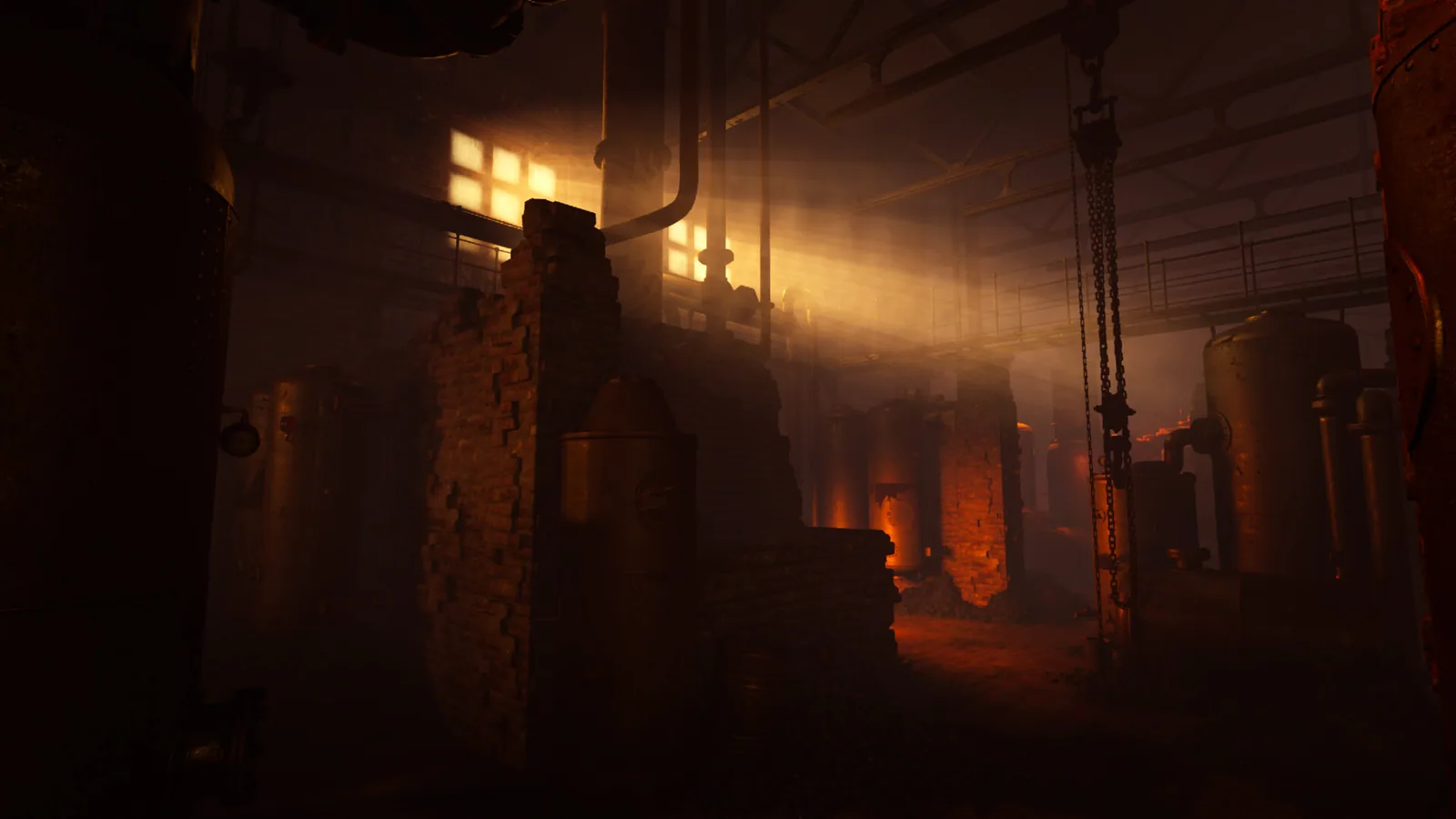
When exploring the landscape of surreal first-person puzzle games, the comparison of Sublustrum vs Myst immediately highlights two distinct philosophies of atmospheric exploration. If you have ever wondered how the psychological horror and sound-driven design of Sublustrum vs Myst stack up against the classic island-hopping lore of Cyan Worlds' masterpiece, you are in for a fascinating journey through gaming history.
The Core Philosophy: World-Building and Isolation
Both franchises rely heavily on profound isolation and environmental storytelling, but they execute these themes through completely different lenses. Myst drops players onto sun-drenched, mysterious island ages filled with clockwork machinery and book portals, emphasizing logical mechanics within majestic landscapes. In contrast, games like Sublustrum—developed by Brickworks Games and rooted in the dark ambient stylings of Anthesteria—draw heavily from Jungian psychology, Kafkaesque fiction, and decaying Soviet-industrial architecture.
When evaluating Sublustrum vs Myst, understanding how each title constructs its world is crucial for any adventure game enthusiast.
| Feature | Myst | Sublustrum |
|---|---|---|
| Primary Setting | Mystical island ages and mechanical realms | Decaying Soviet apartments and the surreal "Flickering World" |
| Primary Theme | Family betrayal, dimensional exploration, and books | Grief, the subconscious, and the impossibility of changing the past |
| Visual Style | Pre-rendered and fully 3D stylized fantasy environments | Grimy, dust-covered industrial realism blended with vintage film grain |
| Pacing | Methodical, contemplative, and open-ended | Intense, claustrophobic, and narrative-driven |
Player experience reports note that while Myst invites you to slowly unpack a grand family drama across open skies, Sublustrum operates more like a session of psychoanalysis mixed with a waking nightmare.
Puzzle Design: Logic vs. Auditory Manipulation
Puzzle mechanics define the core gameplay loop for both titles, yet their approaches diverge significantly. Myst is universally famous for its complex machinery, color-coding, and mechanical contraptions where every lever and button has a tangible, physical purpose in the environment.
When looking at puzzle execution in the context of Sublustrum vs Myst, players encounter very different roadblocks. Sublustrum shifts the paradigm heavily toward sound-driven mechanics. Audio is not merely atmospheric here; it dictates how puzzles are solved. You must tune frequencies, listen closely to static, and treat entire in-game locations as giant musical instruments.
| Puzzle Attribute | Myst Series | Sublustrum |
|---|---|---|
| Primary Focus | Mechanical logic, switches, and island machinery | Sound frequencies, acoustic navigation, and time-bending sequences |
| Item Interaction | Complex inventory usage and book-based clues | Journal reading, phonograph records, and environmental triggers |
| Intuition Level | Cryptic, but generally rewards environmental observation | Frequently abstract, requiring trial-and-error or sound-based cues |
| Accessibility | Fairly balanced for lateral thinkers | Requires functional hearing due to heavy reliance on audio cues |
Community reports indicate that Sublustrum can occasionally feel punishing due to its abstract puzzle logic and lack of built-in hints, making the comparison of Sublustrum vs Myst vital for players who prefer structured logical progression over surreal experimentation.
Visual Aesthetics and Atmosphere
Visual presentation remains a primary pillar for both franchises. Myst revolutionized CD-ROM gaming with its groundbreaking pre-rendered graphics, setting a gold standard for digital art direction that eventually transitioned into fully realized modern 3D spaces.
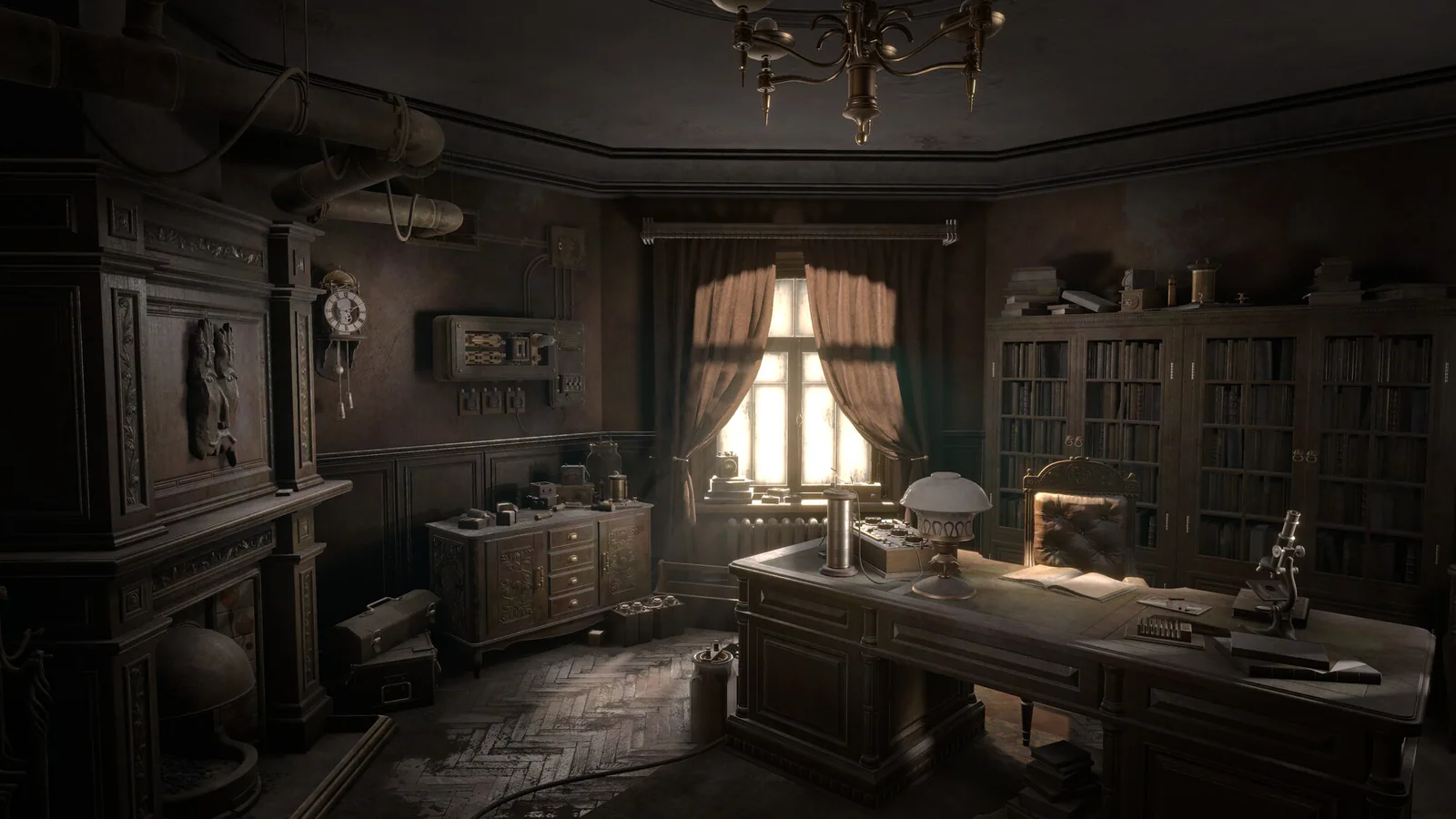
Meanwhile, Sublustrum utilizes a distinct visual language inspired by early cinema, vintage lenses, and aged film grain. You can check out more details on its modern reimagining via the Sublustrum on Steam page. The game creates a visceral feeling of touching every grimy surface, wiping thick dust off industrial control panels, and navigating liminal spaces that blur the lines between dream and reality.
| Visual Element | Myst Approach | Sublustrum Approach |
|---|---|---|
| Color Palette | Vibrant natural tones mixed with stone and brass | Desaturated industrial grays, rust, and sickly interior hues |
| Camera Movement | Fixed point-and-click nodes or free 3D depending on the version | 360-degree pre-rendered/3D hybrid with dynamic exposure effects |
| Environmental Texture | Clean fantasy architecture and otherworldly flora | Grimy concrete, exposed piping, and decaying wallpaper |
| Cinematic Quality | Sparse, atmospheric FMV and book animations | Heavy use of vintage film grain and surreal dream sequences |
Narrative Depth and Storytelling Methods
Storytelling in adventure games often dictates whether a title achieves cult classic status. Myst tells its story through sparse journals, encounters with Atrus and his sons, and the stark isolation of empty worlds. You piece together the family tragedy gradually as you restore each age.
In contrast, Sublustrum presents a deeply psychological narrative regarding two brothers—one a scientist, the other a writer. Upon arriving at your brother's apartment only to find him dead, you must step into a strange machine that plunges you into the subconscious Flickering World.
| Story Metric | Myst | Sublustrum |
|---|---|---|
| Character Presence | Live-action FMV characters (Atrus, Sirrus, Achenar) | Minimal to no active characters; mostly ghosts and fragmented memories |
| Lore Delivery | Journals, linking books, and direct character dialogue | Phonograph records, scientist notes, and non-linear surreal visions |
| Emotional Core | Familial duty, sibling rivalry, and liberation | Acceptance of grief and the psychological weight of the past |
| Average Playtime | 5 to 10+ hours depending on puzzle familiarity | Under 2 hours if following a guide, significantly longer blind |
Which Experience Suits Your Playstyle?
Deciding between these surreal masterpieces depends entirely on what you value most in an adventure game. If you prefer methodical exploration of beautiful islands, intricate mechanical contraptions, and classic puzzle logic, the Myst lineage is an absolute must-play.
However, if you crave a shorter, intensely atmospheric journey that merges dark ambient soundscapes with psychological horror and surreal architecture, exploring Sublustrum vs Myst reveals that Sublustrum offers a uniquely haunting alternative. For fans of deep narratives and avant-garde audio design, diving into the subconscious mind is an unforgettable trip.
Frequently Asked Questions
Is Sublustrum directly connected to the Myst series?
No, Sublustrum is an entirely independent psychological adventure game developed by Brickworks Games. However, it shares DNA with the classic point-and-click exploration and puzzle-solving traditions that Myst popularized in the 1990s.
Do I need good hearing to play Sublustrum?
Yes. Unlike many traditional adventure games, Sublustrum relies heavily on sound-driven mechanics, audio cues, and frequency tuning to solve puzzles and progress through the narrative.
How long does it take to beat Sublustrum compared to Myst?
While Myst typically requires several hours of careful exploration and puzzle-solving, Sublustrum is a much shorter, tightly-paced experience that can often be completed in under two hours once you understand the puzzle logic.
Where can I experience Sublustrum today?
The cult classic has seen renewed attention through updates and open playtests spearheaded by HypeTrain Digital and Brickworks Games, making Steam the primary hub for upcoming versions of the game.
Related Guides
Sublustrum First Look: Exploring the Atmospheric Psychological Adventure Remake
Get a comprehensive Sublustrum first look at Brickworks Games' psychological adventure remake, featuring sound-driven puzzles, surreal worlds, and more.
Sublustrum Horror Game Preview: Reimagining the Psychological Cult Classic in 3D
Explore our in-depth preview of the Sublustrum horror game. Discover its sound-driven puzzles, Jungian psychology themes, and 3D reimagining.
Sublustrum Rating and Review: Evaluating the Cult Classic Adventure Game
Discover the definitive Sublustrum rating and comprehensive review. Explore its surreal world, sound-first design, puzzles, and upcoming 3D reimagining.
Sublustrum Review: A Deep Dive Into the Surreal Psychological Adventure
Read our comprehensive Sublustrum review exploring the surreal psychological puzzle adventure, its sound-driven mechanics, and atmospheric design.